If you’ve ever taken your dog outside and instantly disappeared from their attention the moment another dog shows up, you’re not alone. You can have treats, toys and your best cheerful voice ready, yet your dog is locked onto that other dog like nothing else exists. It can feel frustrating and, honestly, a little discouraging.
The good news is that this is trainable. It just requires structure, patience and a clear plan.
First, Understand What’s Really Going On
Your dog is not ignoring you to be difficult. They are simply gravitating toward what currently has the highest value in their world. Other dogs are exciting, unpredictable and socially rewarding. You, in comparison, may feel predictable or a bit boring when you step outside together.
Your goal is not to stop your dog from liking other dogs. Your goal is to increase your relevance so that checking in with you becomes a natural and rewarding habit.
Step 1: Build a Strong Check-In Cue at Home
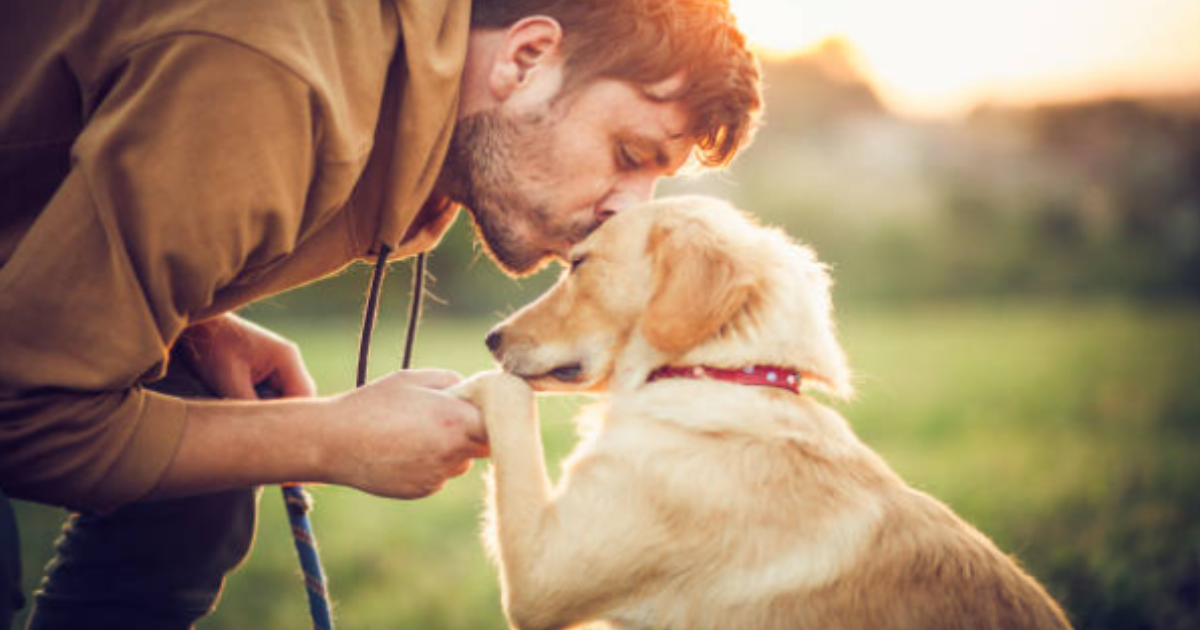
Before you battle distractions outdoors, you need a solid foundation indoors. Choose a simple cue, such as your dog’s name, “look” or “here.” In a quiet room, say the cue once. The moment your dog looks at you, mark it with a cheerful “Yes” and follow with a treat. Repeat this for a few minutes at a time until your dog responds quickly and reliably.
Gradually add small distractions. Try practicing near a toy on the floor, while someone walks through the room or later in the backyard. If your dog stops responding, make the distraction easier. The goal is to build a long history of success, not to test their patience.
Step 2: Use Distance as a Training Tool
One of the biggest mistakes people make is training too close to other dogs. If your dog is so focused that they cannot take a treat, they are past their threshold and unable to learn.
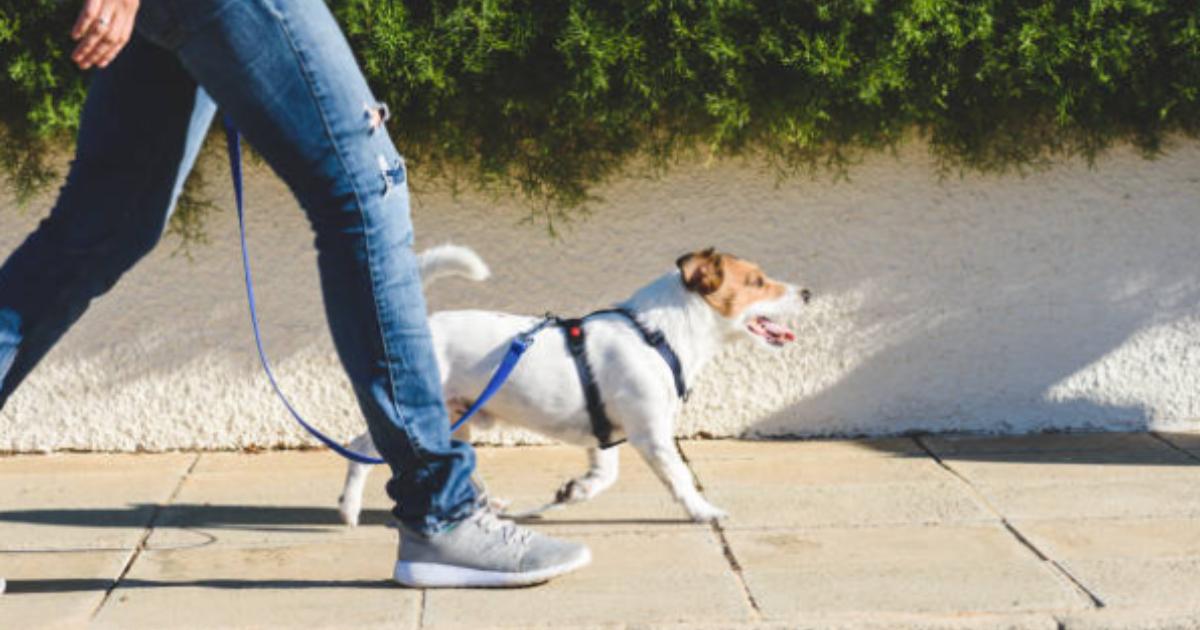
Find a place where you can see other dogs but still control the distance. Work far enough away that your dog notices the other dog but can still respond to you and eat treats. At that distance, practice simple name recognition, a few steps of loose leash walking or brief check-in exercises.
Once this becomes easy, move slightly closer. Just a step or two. Slow progress beats repeated failure at close range.
Step 3: Turn Other Dogs Into a Training Opportunity
Instead of trying to stop your dog from looking at other dogs, use it to your advantage. When your dog sees another dog, wait for even the smallest glance back in your direction. The moment it happens, mark it and reward. Over time your dog learns a helpful pattern: seeing another dog is a cue to check in with you.
You are not fighting their interest. You are redirecting it into communication with you.
Step 4: Become More Rewarding Than the Environment
Dogs are experts in noticing patterns. If the outdoors feels like a festival of entertainment while you remain the quiet background character, your dog will naturally choose the party over you.
Ask yourself honestly whether you are actively engaging with your dog during walks. High value rewards help. Movement helps. A little playfulness helps too. Quick turns, short bursts of jogging or brief training games can keep your dog tuned in. And when your dog chooses to look at you instead of another dog, treat it like a real accomplishment, because it is.
Step 5: Create Clear Rules About Greeting Other Dogs
For many dogs, greeting another dog feels like the ultimate prize. You can use that to your advantage by attaching structure to the privilege.
Decide that your dog may only greet another dog after offering calm behavior and a check-in with you. If they respond well and remain under control, allow a short and polite greeting. If they are pulling, whining or too fixated to listen, walk away without the greeting.
Over time your dog learns that the door to social time opens through calm behavior and connection with you.
Step 6: Protect Your Progress
Training does not move in a straight line. Some days will feel smooth and others will feel like you’re starting over. That is normal.
Try to limit chaotic environments such as dog parks while you are training, because situations where your dog can repeatedly ignore you will slow their progress. Avoid moments where you let them drag you toward another dog “just this once,” because dogs notice exceptions quickly. Keep training sessions short, focused and consistent. Small wins add up.
When It’s Time to Bring in a Professional
If your dog is not just excited but displaying intense reactivity such as barking, lunging or struggling to calm down, a certified force-free trainer or behaviorist can help. They can tailor a plan to your dog’s specific triggers and keep the process safer and more effective.
You Are Building a Partnership, Not Competing
It is easy to feel replaced when your dog lights up more for a stranger’s dog than for you. But remember, you are the constant, familiar presence in their life. Other dogs are brief flashes of excitement.
With consistency and patience, your dog will begin to check in with you more often. One day you’ll see a dog pass by, and instead of spiraling into excitement, your dog will glance at you as if to say, “Did you see that?”
When that moment comes, reward it well. It is the sign of a dog who is finally learning that you matter just as much as the world around them.