Living with family under one roof can be wonderful, chaotic, and full of moments that turn into stories you tell for years. Add a dog into the mix and you get another layer of personality to work with. Training a dog in a home where grandparents, parents, and kids all have different routines and expectations takes intention, patience, and a little creativity. The good news is that it can absolutely work, and it can actually make the training stronger.
Below are practical tips shaped for real family life, not a perfect scenario that only exists in training manuals.
Clarify the House Rules Together
Before any training begins, get everyone on the same page. Dogs thrive on consistency, and mixed messages from different family members can slow things down.
Sit down as a group and discuss where the dog is allowed, what the meal schedule looks like, which cue words you all plan to use, and what behaviors are non negotiable in the household. These decisions help avoid the familiar situation where Grandpa finds a jumping dog adorable while everyone else is trying to teach calm greetings. Consistency is one of the most powerful tools you have.
Assign Roles Based on Strengths
Every person in a multi generational household interacts with the dog in their own way. Instead of fighting that, build it into the training plan.
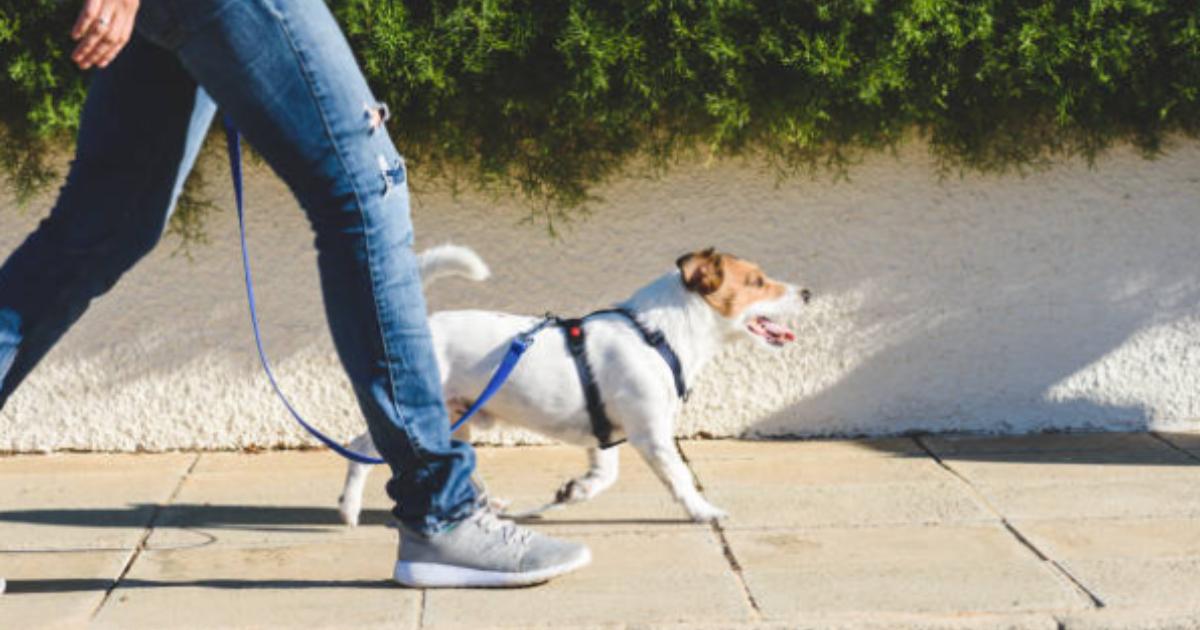
A grandparent might handle the relaxed bonding moments that help a dog feel safe. A teenager may take the daily walks that burn off energy. Adults can take charge of the structured sessions that introduce new cues and behaviors. When people lean into their strengths, the dog gains predictable, confident interactions that support learning.
Keep Training Sessions Short and Manageable
In a busy home, long stretches of quiet time are rare. Fortunately, dogs learn well through short and focused lessons.
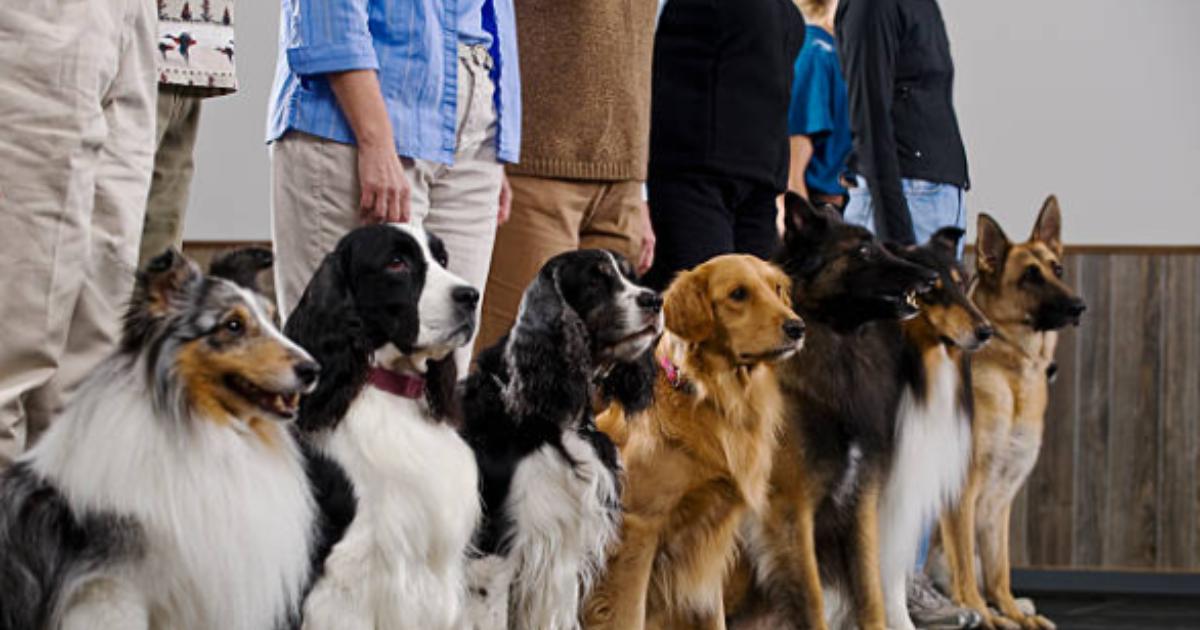
Aim for a few brief sessions a day that last only minutes at a time. Keep them simple and enjoyable. If the living room is loud, move to a quieter corner. If kids are active nearby, use the moment to practice staying calm around distractions. Training doesn’t have to look perfect to be effective.
Create Safe Zones for the Dog
A household with many people can unintentionally overwhelm a dog, so it helps to give them a dedicated resting area. This might be a crate, a quiet room, or a cozy corner with a bed.
Safe zones allow the dog to decompress and reset. They also teach younger family members healthy respect for boundaries. When the dog retreats to their spot, it signals that they need rest, not attention.
Use Positive Reinforcement to Keep Things Unified
Positive reinforcement is easy for everyone in the family to use. When the dog makes a good choice, rewarding them with praise, treats, or play helps them understand what behavior you want to see again.
Multiple people offering the same type of encouragement builds momentum. A grandparent with limited mobility can still offer a gentle “good job.” A child can participate in simple games that reinforce training. Everyone gets to contribute to the dog’s success, which keeps the learning environment consistent and upbeat.
Talk About Mistakes Without Blame
In a home filled with different routines and personalities, mistakes are going to happen. Someone might forget a rule, bend a guideline, or unintentionally teach a mixed message.
The goal is to talk about these moments without blame. A household culture that allows people to say “I slipped up” or “I didn’t realize” creates openness and helps prevent ongoing confusion. Think of these conversations as problem solving rather than correcting each other.
Keep Expectations Realistic
Multi generational homes change as kids grow, work schedules shift, and daily life gets hectic. Some training goals take longer in this environment, and that is completely normal.
Focus on progress rather than perfection. Celebrate small improvements. If a dog that used to jump on everyone now only does it occasionally, that is still meaningful progress. Training a dog is less about achieving flawless behavior and more about building trust.
Embrace the Bonding Opportunity
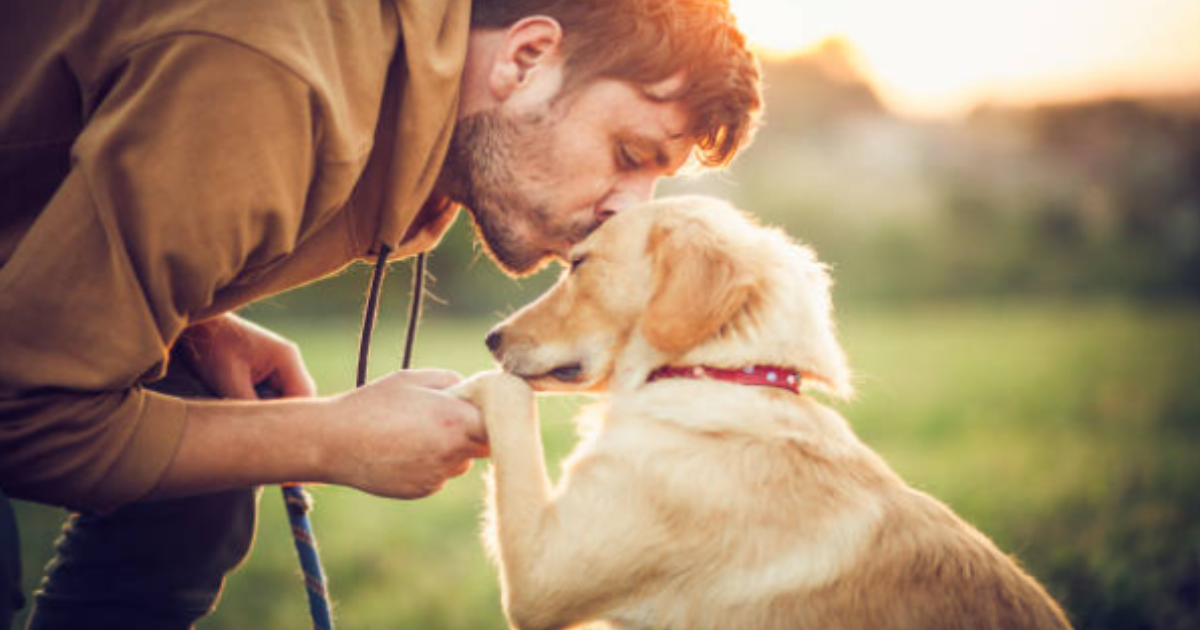
A dog can unify a family in ways that feel small at first but grow with time. Training together sets up shared routines and shared victories. Grandparents get companionship, kids learn responsibility, and adults enjoy a calmer, more connected dog.
In a multi generational home, training becomes part of the family’s rhythm. It reflects patience, teamwork, and the collective effort to help the dog feel secure and understood. With a little unity, patience, and humor, you can create an environment where your dog thrives and every family member feels involved in the journey.