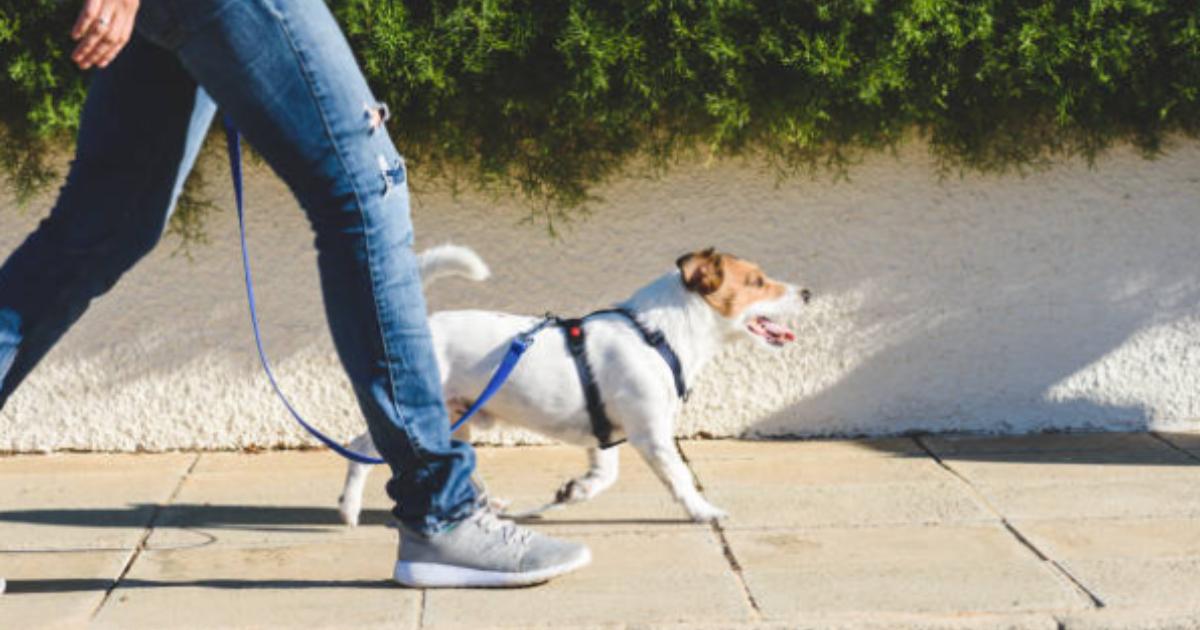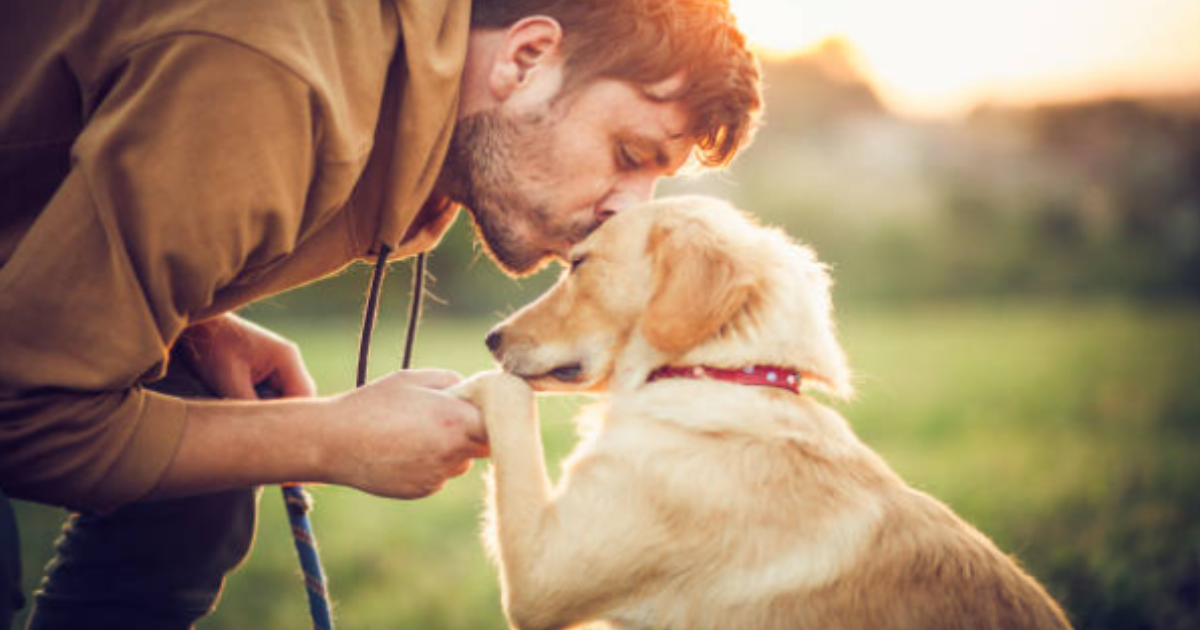

Living with a deaf dog is not a tragedy. It is an adjustment.
Your dog is not broken, stubborn, or untrainable. They are simply taking in the world in a different way. Once you stop relying on sound and start communicating with sight, touch, and routine, training becomes not only possible but deeply rewarding.
What follows is a practical, honest guide to what truly helps, and what usually adds frustration for both you and your dog.
First, Let Go of the Idea That Hearing Equals Obedient
Many people assume that a deaf dog will always be harder to train. The truth is far more encouraging. Deaf dogs can learn the same skills as hearing dogs. They are often more tuned in to your body language. The real challenge is retraining yourself to communicate in a different way.
Once you stop speaking with your voice and begin speaking with your hands, posture, and expression, the learning process becomes surprisingly natural.
What Works: Building a Visual Language
Training a deaf dog is like learning to communicate in subtitles. Your dog depends on what they see, not what they hear.
Hand Signals Instead of Words
Choose clear, simple hand motions for the basic cues such as sit, down, stay, come, and leave it. You can use standard obedience signals or invent your own. The most important element is consistency. A signal that changes from day to day will only confuse your dog.
Keep each signal easy to spot. Use the same motion every time. Pair the hand movement with a reward so your dog learns that this gesture predicts something good. Over time, your hands become their language.
Visual Markers Instead of Verbal Confirmation
Hearing dogs often get a verbal yes or a clicker sound to mark correct behavior. Deaf dogs need a visual version of that same marker.
Many owners use a quick thumbs up, a brief open hand gesture, or a small nod paired with a warm expression. Whatever you choose, treat it as your official confirmation. A reliable visual yes is incredibly powerful.
What Works: Using Touch the Right Way
Touch can be a wonderful part of communication, but only when introduced gently.
Gentle, Predictable Touch
A light touch on the shoulder or side can serve as your way of calling your dog when you are nearby. Start by touching the same spot each time. The moment your dog turns to look at you, offer praise or a treat. Repeat until the touch becomes a friendly signal that means “pay attention” rather than something startling.
Touch should always communicate safety and connection.
Waking a Deaf Dog Calmly
Because deaf dogs cannot hear you approach, waking them suddenly can scare them. Try placing your hand near their nose so your scent reaches them before you make contact. You can also touch the bed or couch lightly so they feel a vibration first. Reward calm waking so they associate your presence with comfort.
What Works: Lights and Vibrations
When sound is no longer a tool, you begin to use light and movement.
Light Cues
Some owners flick the room light once to get attention, or shine a small flashlight at the floor near the dog rather than directly at the eyes. Once your dog looks up, follow with a hand signal. Over time, they learn that a change in light means “look at me.”
Vibration Cues
Your goal is not to startle but to gently alert. Sometimes simply walking with a heavier step is enough to create a vibration your dog notices. You can also tap the floor lightly with your foot.
Some people use vibrating collars. These are not shock collars and should never be mistaken for them. If you use one, begin by teaching that a short vibration simply means “look at me.” Every time your dog turns toward you after the vibration, reward generously. The vibration should always lead to something neutral or positive.
What Works: Routine and Structure
A deaf dog thrives on predictability. Feeding at similar times, sticking to familiar walking patterns, and maintaining bedtime rituals help your dog anticipate what comes next. When life is easier to predict, your dog can focus better during training and feels more secure overall.
What Works: Teaching “Watch Me” as the Foundation
The most important skill is not sit or stay. The essential skill is watch me. If your dog is looking at you, every message you give through hand signals becomes clear.
Hold a treat near your face and reward any eye contact with your visual marker. Add a specific hand motion for watch me once your dog begins to offer eye contact on their own. This cue eventually becomes your reset button in busy or distracting situations.
What Doesn’t Work: Relying on Your Voice Out of Habit
Even if you speak out of instinct, your voice alone does not help your dog understand you. Shouting louder, repeating verbal cues, or expecting your tone to carry meaning leads only to confusion. Without a clear visual cue, your dog is forced to guess.
What Doesn’t Work: Punishment and Startling
Punishment harms training for any dog, but it is especially damaging for a deaf dog who already relies on fewer senses. Harsh corrections, grabbing from behind, or using fear-based methods do not build respect. They build anxiety.
A fearful dog struggles to focus, disengages more easily, and learns more slowly. Your best approach is to create situations where your dog can succeed and then reinforce those successes with enthusiasm.
What Doesn’t Work: Letting a Deaf Dog Off Leash Too Soon
Even a well trained deaf dog faces unique risks off leash, particularly near roads, bikes, or sudden distractions. If your dog runs too far, they may no longer see your signals. A moment of instinct can become dangerous quickly.
Use long lines in open areas so your dog can enjoy space safely. Practice recall at short distances first. Reserve true off leash freedom for fenced locations.
What Doesn’t Work: Viewing Deafness as a Limitation
If you see deafness as a flaw, training becomes discouraging. But deafness is not a defect. It is a trait. Many deaf dogs stay calm during fireworks, rest peacefully through loud disruptions, and develop exceptional sensitivity to body language and emotional cues.
When you stop seeing deafness as a burden and start seeing it as a characteristic you can work with, training becomes far more intuitive.
A Simple Training Routine to Begin With
During the first few days, focus on teaching watch me, introducing one basic hand signal, and rewarding any calm response to touch. After the first few days, add another hand signal and experiment with light or floor taps to get attention. Keep sessions short and enjoyable.
By the end of the first week, you can begin practicing in different rooms or quiet outdoor areas. This is also a good time to introduce a long line and work on recall using a clear come signal. Most importantly, keep reinforcing, watch me wherever you go.
Training a deaf dog is not about perfection. It is about clarity, patience, and trust. There will be days when progress feels slow, but that does not mean the learning has stopped. If you stay consistent and protect your dog’s sense of safety, you will be amazed by how much they can understand.
Your dog does not need to hear the words good dog to feel them. They will see it in your face, in your posture, and in the gentle way you communicate every day.