You think you’re past the hard part. Your dog sits, stays, walks nicely, maybe even has a cute little trick or two. Then one day, it feels like the wheels fall off.
Suddenly, they’re pulling on the leash again, ignoring cues they used to nail, or having accidents inside after weeks of being clean. It’s frustrating, and it can feel a bit personal.
Let’s talk about why this happens, what your dog might be “saying” through their behavior, and how you can realistically get back on track without losing your patience or your bond.
What “Regression” Really Is (And Isn’t)
Training regression is when a dog seems to forget skills they previously learned and performed reliably. It can show up as responding slowly or not at all to cues, breaking stays that used to be solid, barking more on walks, having potty accidents after a long good streak, or acting unfocused in situations where they normally do well.
It’s tempting to call it stubbornness, but regression is usually a sign of confusion, stress, or changing needs rather than defiance. Your dog isn’t plotting against you. They’re reacting to their environment and emotions in the only ways they know.
Common Reasons Dogs Regress in Training
Every household is different, but most cases connect to a few root causes.
Life Changes and Stress
Dogs are deeply sensitive to shifts in routine. Moving homes, schedule changes, loud noises around the neighborhood, or additions to the family can throw them off balance. Even subtle adjustments you barely notice can feel huge to a dog. If the timing lines up with a household change, you’ve already found a clue.
Too Big a Jump in Difficulty
Sometimes a dog knows a skill well at home but struggles when that same skill is expected in an unfamiliar or distracting environment. Training doesn’t always transfer automatically. If rewards faded too soon or distractions increased too quickly, the dog may seem to forget, but the truth is the skill isn’t strong enough for the new level yet.
Inconsistent Rules
When rules shift day to day or person to person, a dog can’t build a clear understanding of expectations. Being allowed on the couch sometimes and corrected for it other times creates uncertainty. So does asking for a sit at the door only occasionally. Without a consistent structure, training becomes fuzzy and unpredictable.
Hitting the Teenage Phase
Adolescent dogs often act like their brains are buffering. The phase usually appears between six and eighteen months. A dog who once responded perfectly may suddenly drift into distraction, push boundaries, or act like cues are optional. This is normal development. It can be tiring, but it isn’t permanent, and it isn’t a sign your earlier work failed.
Not Enough Practice or Mental Exercise
Training fades without repetition. Life gets busy, routines loosen, and before you know it, your dog is out of practice. When mental stimulation drops, dogs also create their own entertainment, which may show up as behavior issues that mimic skill regression.
Health or Pain Issues
Some training problems are actually physical discomfort. A dog who stops sitting neatly or hesitates to lie down may be experiencing pain. A sudden shift in energy, appetite, or willingness to move can point to a health concern. When the change is abrupt or uncharacteristic, a vet visit matters more than extra training.
First Things First: Check In With Yourself
Before diving into solutions, take a quiet moment to consider your own stress, sleep, and routines. Have you been rushed or distracted lately? Has your energy been different? Dogs pick up on emotional tone with surprising sensitivity. You don’t have to be perfect, but a calmer presence makes training easier for your dog to absorb.
How to Get Back on Track Without Starting Over
The foundation is still there. You’re not rebuilding from scratch. You’re polishing and reinforcing what your dog already knows.
Go Back One Step Instead of Starting From Zero
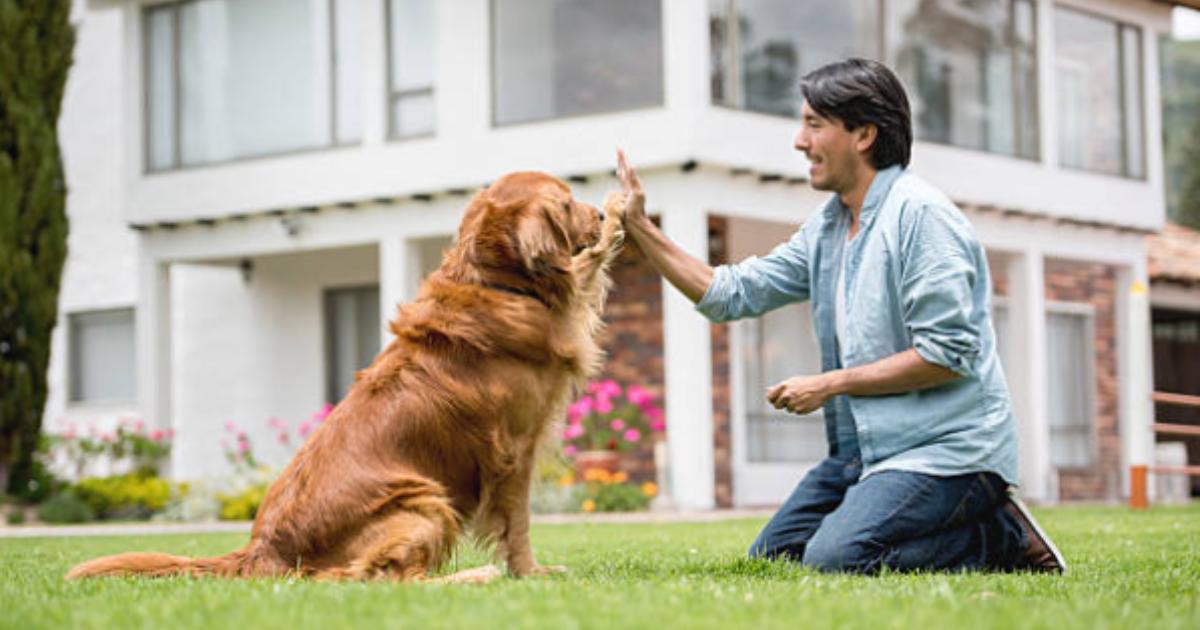
Choose a couple of behaviors that matter most right now. Practice them in an easy environment, such as inside your home. Keep sessions simple, short, and clear. Use precise markers like yes or a click so your dog knows exactly when they did the right thing. You’re waking the skill up, not teaching a brand new one.
Bring Back the Rewards
If treats faded too quickly, your dog may have lost motivation or clarity. Try using small high value rewards again. Pay well for good responses so the behavior feels worth performing. Occasionally, give an extra handful or a quick burst of play when they do especially well. You can always taper rewards again once the behavior stabilizes.
Break Skills Into Small Pieces
If a stay or recall has fallen apart, shrink the task. Ask for very short stays and gradually increase the duration. Increase distance only after duration is reliable. Add distractions only after both time and distance are strong again. Small steps build confidence and create a trail of success your dog can follow.
Reduce Distractions With Intention
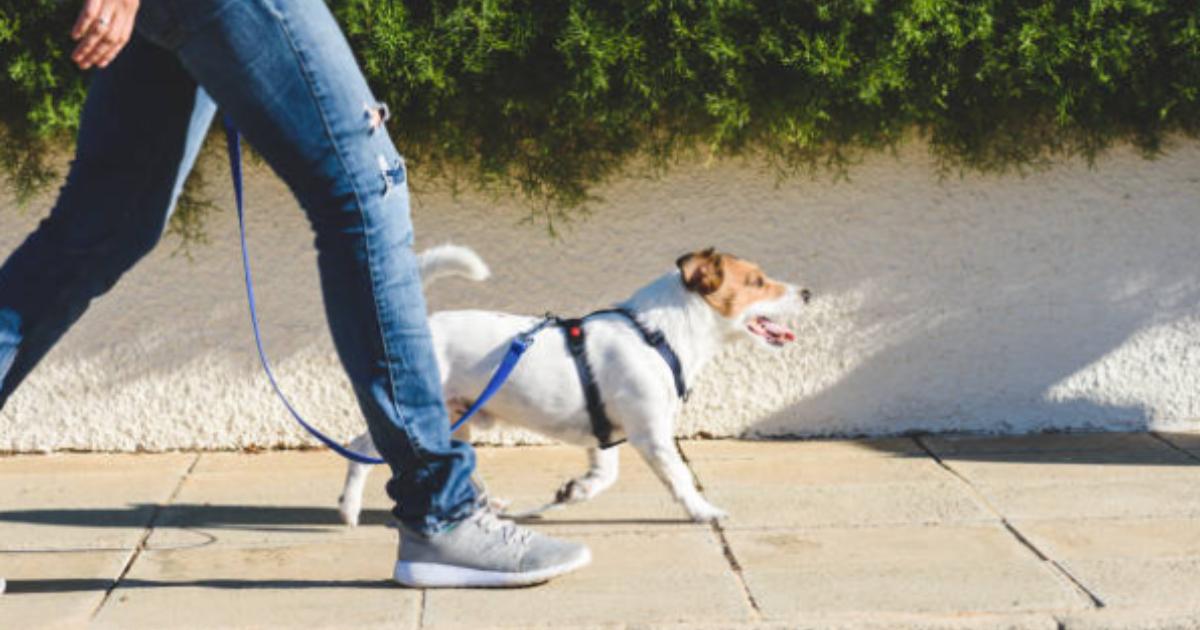
If training outside feels impossible, choose a quieter area or increase the distance between your dog and whatever distracts them. You can also use a long line to create both safety and freedom while retraining focus and cues in a calmer setting. Mastery in a peaceful environment comes before mastery in chaos.
Reinforce Consistency at Home
Talk with everyone in the household and agree on the rules. Choose the words used for cues, agree on whether the dog is allowed on furniture, and decide what behavior is expected before going through doors or greeting people. When every person follows the same guidelines, your dog learns more quickly and confidently.
Small Daily Habits That Help
Training doesn’t require long sessions. You can integrate it into daily life. Ask for a sit before meals. Practice a short stay while tying your shoes. Call your dog to you a few times throughout the day and reward generously. Three minutes of focused practice sprinkled into everyday moments is often more effective than a single long session.
When Potty Training Slips
If your dog starts having accidents, return to the structure used during early training. Offer more frequent potty breaks. Supervise closely when the dog is loose indoors. Use crates or closed doors to reduce opportunities for mistakes. Reward your dog immediately when they eliminate in the correct spot. Clean accidents thoroughly with an enzymatic cleaner. And if accidents begin suddenly, consider a vet visit to rule out medical causes such as urinary infections.
What Not to Do
During frustrating moments, it’s easy to fall into habits that delay progress. Avoid punishing, confusion, or yelling, since those reactions damage trust instead of building skills. Avoid comparing your dog to others. Avoid giving up on practice entirely. Your dog isn’t trying to challenge you. They’re doing their best with the tools they currently have.
When It’s Time to Get Professional Help
If regression includes growling, biting, significant reactivity, or anxiety, a qualified positive reinforcement trainer or behavior specialist can help. Seek help as well if you feel overwhelmed or if back-to-basics training isn’t improving things. A professional can identify patterns you might be too close to see and design a plan that suits your dog’s personality and your lifestyle.
Encouragement for the Hard Days
Regression is a normal part of learning. It doesn’t mean you failed, and it doesn’t mean your dog is untrainable. Your dog doesn’t need perfection from you. They need consistency, clarity, and kindness. When you focus on rebuilding confidence and connection, the skills return. Many owners find that after working through regression together, the relationship with their dog becomes even stronger than before.