Balancing the nonstop rhythm of parenting with the joyful chaos of raising a dog can feel like a daily marathon. Some days you feel proud of how well everyone is growing. Other days there are crumbs on the floor, shoes in the hallway, and the dog is staring at you like you forgot something. The good news is that effective dog training can fit into a busy family life. It can even make your days feel more connected and less stressful.
Below are eight practical tips that actually work for real households, especially the ones that are juggling school runs, work calls and a dog who just wants to be part of the action.
1. Make training a tiny daily habit
Training does not need long sessions. Five minutes here and three minutes there can add up. A few repetitions before school or during snack prep help your dog stay mentally engaged. The small, steady moments matter more than marathon training days, and they fit naturally into a packed schedule.
2. Use routines you already have
You can turn daily moments into training opportunities. When the kids grab their backpacks, ask your dog to sit. When everyone returns home in a rush, practice polite greetings. The more training is woven into your existing routine, the less it feels like one more task on your list.
3. Keep rewards simple and always nearby
Busy parents rarely have time to hunt for treats. Keep small reward bags in common areas so you can reinforce good behavior instantly. Your dog learns fastest when the good moment and the reward are close together. This also helps kids participate since the rewards are easy to grab.
4. Teach kids how to help
Kids love to be included. Give them age appropriate training jobs like asking for a sit before feeding or tossing a treat for a recall practice. It helps your dog understand that listening to everyone is important. It also teaches kids patience, clear communication and empathy. Just remember that adult supervision is essential.
5. Let your dog decompress
A tired family is one thing but an overstimulated dog is another. When kids are loud or the house is busy, give your dog a cozy retreat such as a crate or a quiet corner. Dogs who have a safe space to relax are more likely to behave well the rest of the day. Think of it as their version of a deep breath.
6. Use activities that burn both energy and stress
Short games can do more than you think. Hide a treat under a cup while the kids watch. Scatter a few kibbles in the grass for a quick sniffing session. Mental work can be just as satisfying as physical exercise. These small activities help your dog stay balanced on days when a long walk is simply not happening.
7. Practice patience as a family
Dogs learn at different speeds, and so do kids. Celebrate small steps together. If your dog only manages a two second stay, that is still progress. When kids see the family cheering for micro wins, they learn that growth is not about perfection. It is about showing up and trying again, which makes your home feel calmer and more united.
8. Choose one priority skill each week
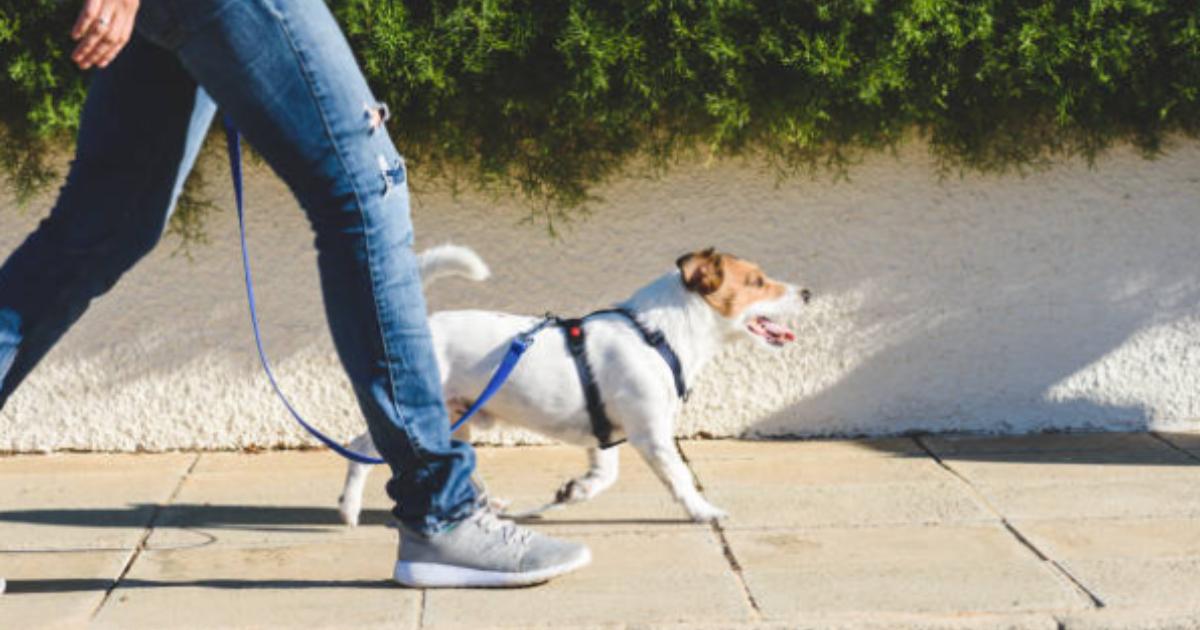
Instead of trying to fix everything at once, focus your energy on a single goal like loose leash walking or calm door greetings. This keeps everyone from getting overwhelmed. It also helps your dog improve faster since your training energy is more focused. A simple checklist on the fridge can keep the family on the same page.
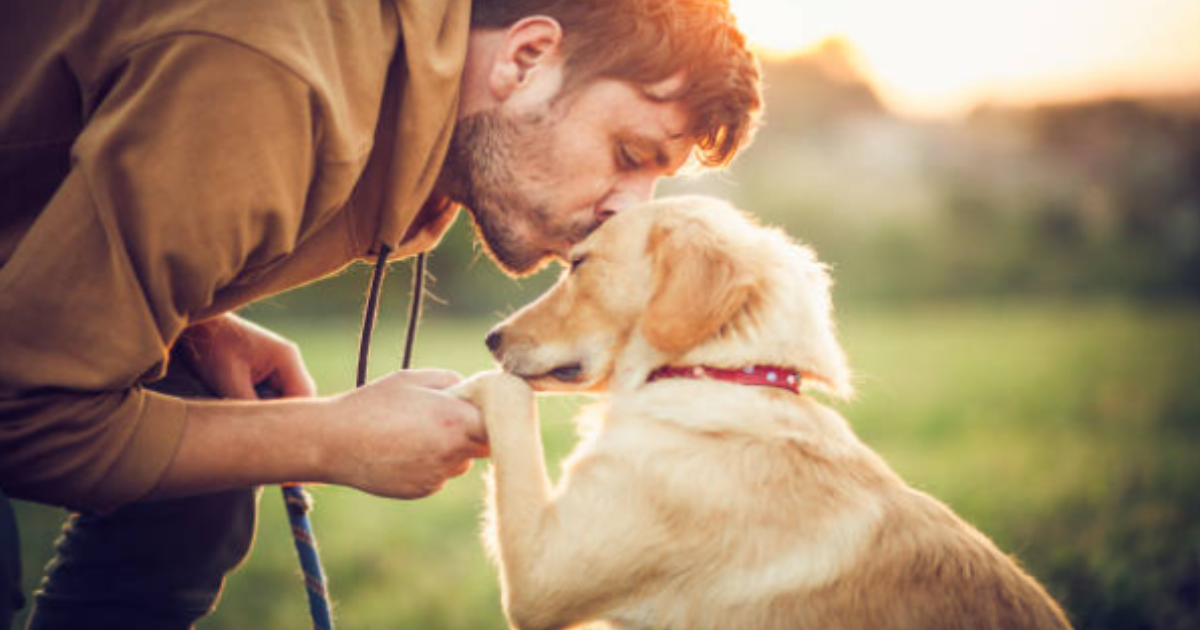
Being a busy parent does not mean dog training has to fall through the cracks. With a few small adjustments, your daily life can become the training environment your dog needs. The best part is that these moments of teamwork strengthen the bond between your dog and your kids, making the whole household feel more connected.